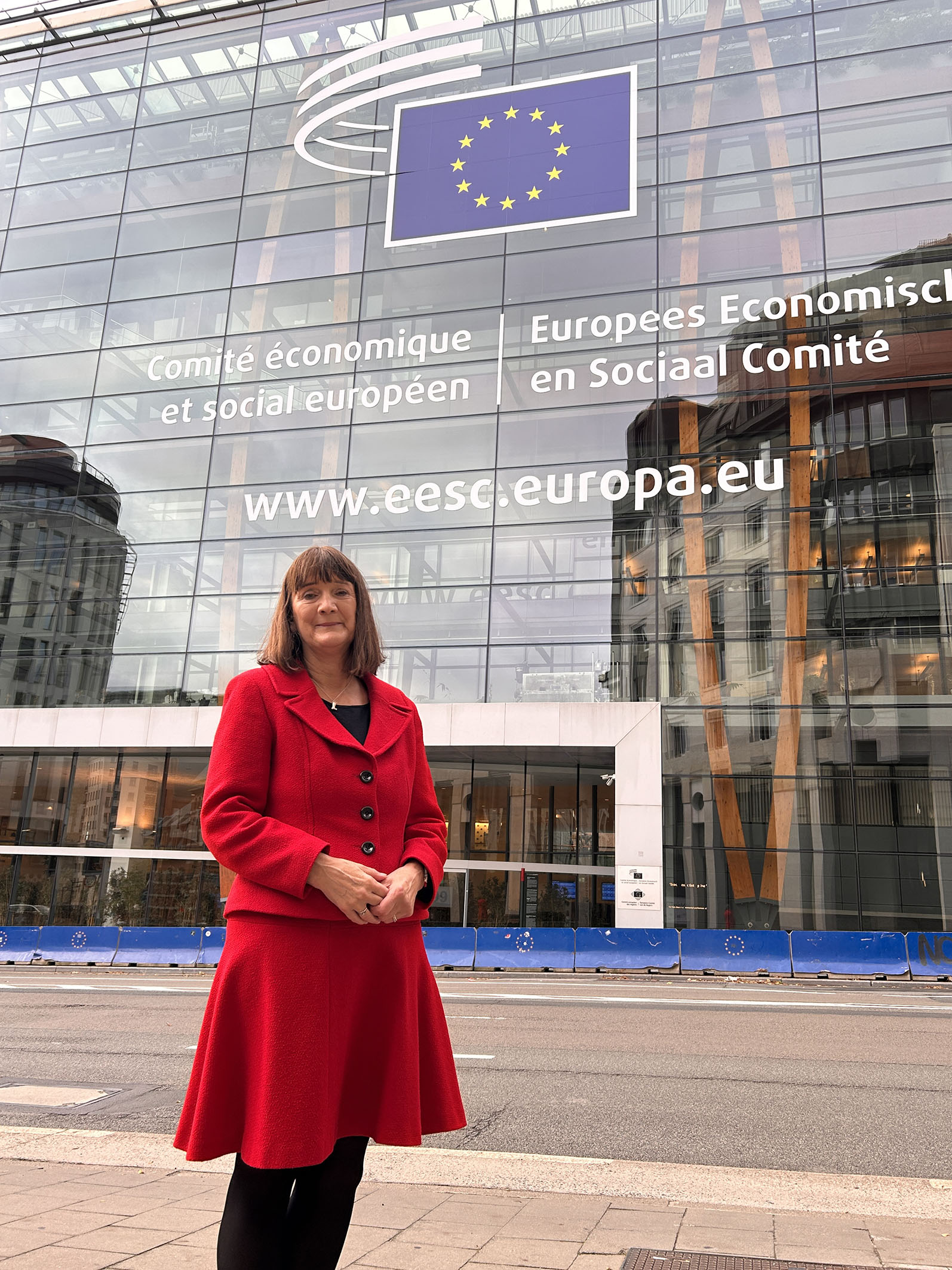
But on 27 October, I was honoured to be invited to speak at a European Economic and Social Committee (EESC) hearing on ‘Towards a European system of natural disaster risk management’.
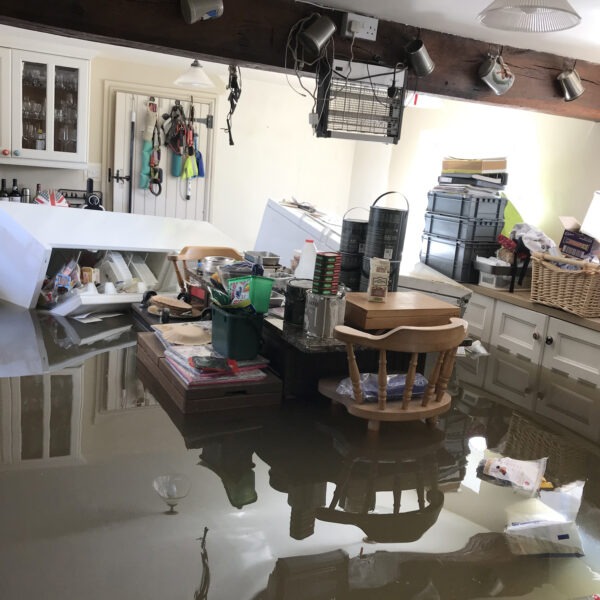
Quite a title! My contribution was rather more down to earth – what can we do to help the person standing in their kitchen, wondering how to reduce the risk of floodwater coming through the door?
The hearing brought together policymakers, insurance specialists and civil society representatives to discuss how Europe could better manage natural disaster risks. Much of the discussion focused on insurance arrangements in different member states and how countries could work together to improve protection.
My job was to bring the experiences of flooded households into that conversation.
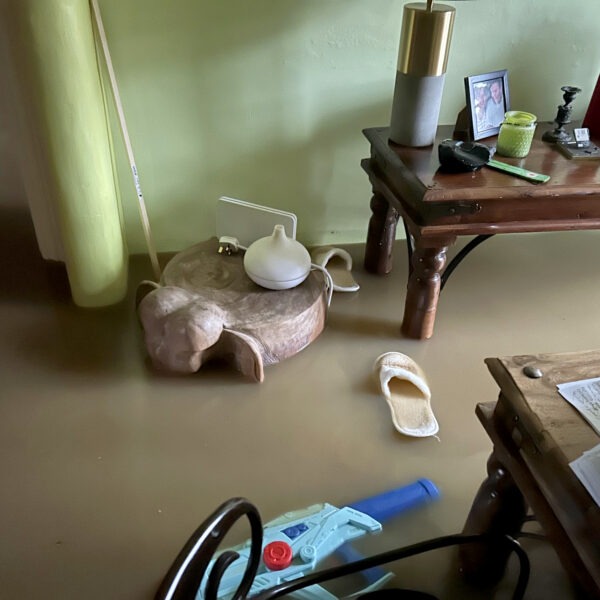
When my own home flooded all that time ago, there was very little practical help or support available. I knew how absolutely dreadful it felt and so I decided to do what I could to help others facing the same experience. The rest, as they say, is history.
Over the years, that has meant countless conversations with people who have been flooded, or who are worried about what might happen when the next heavy rain arrives.
Those conversations shape everything I do. People want clear explanations, practical help and someone who understands why they are so frightened. They want to know what they can do, what might work for their home and where to start.
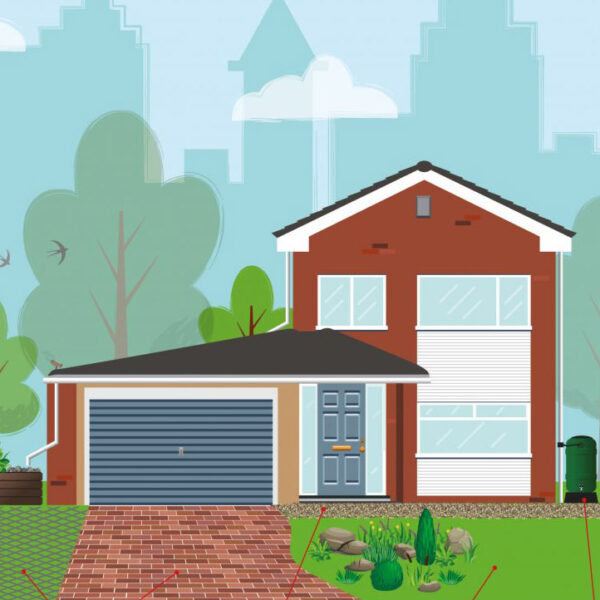
I talked about Property Flood Resilience: practical steps and physical measures that can reduce the amount of water entering a home, alongside adaptations that help it recover more quickly if water does get in. Spending less time out of your home, with less damage and upheaval to deal with, can make an enormous difference.
I also shared my Flood Ready directory, my eBook featuring people who have adapted their homes, and my Flood Recovery guide. Real examples help people see just what is possible. Sometimes, hearing how someone else has managed it is what gives you the confidence to take the first step yourself – it is empowering to know there are things you can do to make that difference.
Practical help for different budgets
During my talk, I explained how I work in partnership with Flood Re to raise awareness of Property Flood Resilience and its Build Back Better scheme. Through participating insurers and eligible policies, this can provide up to £10,000 towards resilience measures over and above the cost of repairing flood damage.
It is an opportunity to help people better protect their homes during the repairs, rather than simply putting everything back as it was and hoping for the best.
An important question raised during the hearing was how to help people on lower incomes prepare and protect their properties. We cannot assume that everyone has money available for adaptations to their homes. Advice needs to recognise that, and give people practical options they can act on.
So alongside the policy discussion, I talked about the University of Hull’s tests on tapes versus sandbags, I showed examples of flood tape and demonstrated ways to prepare using ‘stuff’ people may already have around the house.
Yes, flood tape had its moment in a European policy discussion. You can rely on me to bring things back to the practicalities!
Advice needs to reach the front door
What struck me from the discussion was that there is a real need for more accessible, practical information for people living at flood risk.
We can discuss insurance systems and funding arrangements at length, and of course those discussions matter, but people also need help understanding what they can do before a flood, how to better protect their homes and how they can begin to recover afterwards.
That support needs to reach people in a language they understand, with options that take account of their circumstances and budgets.
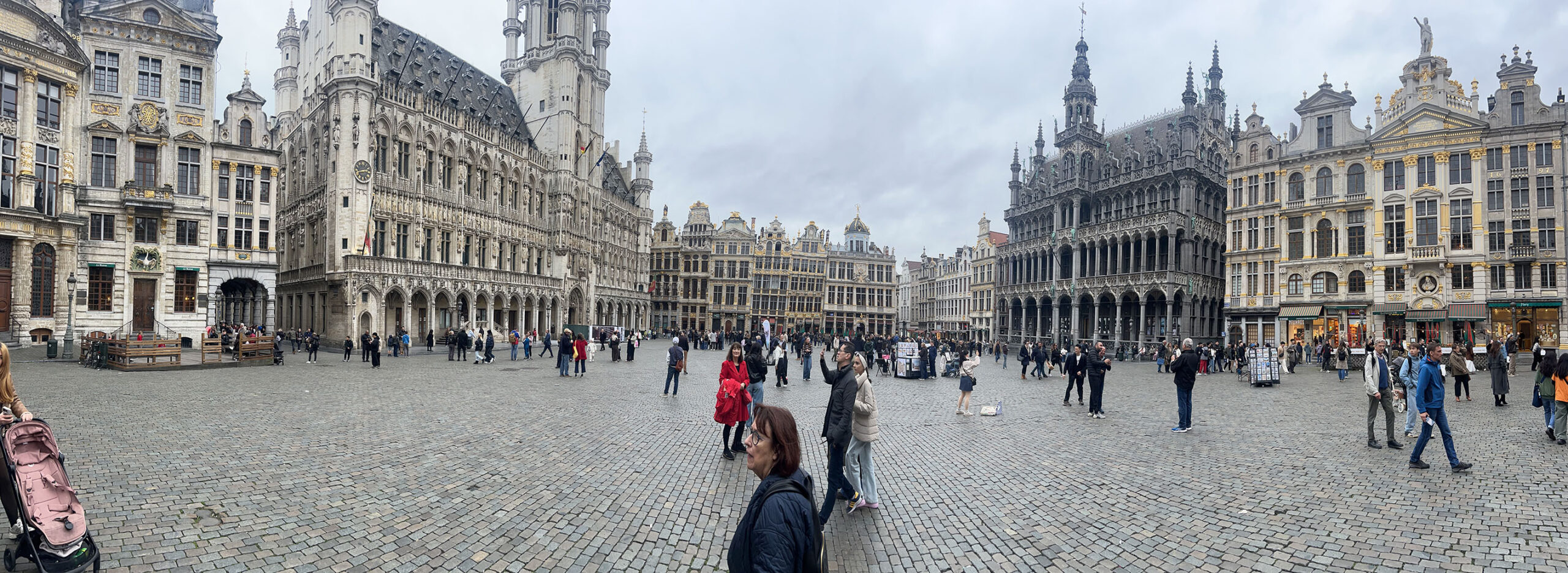
I was particularly touched to be invited given that the UK is no longer a member of the EU. I did wonder if they had looked around Europe for a ‘Flood Mary equivalent’ and struggled to find one. My husband’s response? “Thank goodness. One of you is enough!”
My thanks to Wauthier Robyns and the EESC team for inviting me and giving me the opportunity to share what I have learned from flood risk communities.
26 years ago, I wanted someone to turn to for help. I hope that by taking those experiences to Brussels, it may help more people find the support before they even need it.
If you live at flood risk, please have a browse through the free guides and resources on my website. A little preparation now could make a very difficult time just that bit more manageable.
Copyright: Mary Long-Dhonau, October 2026