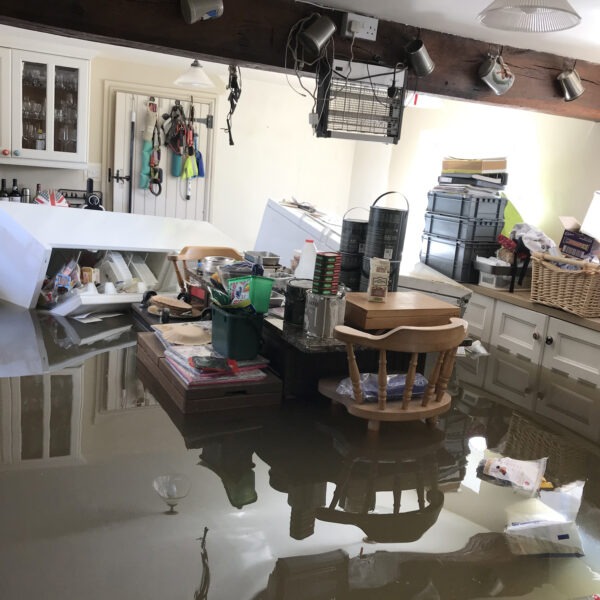
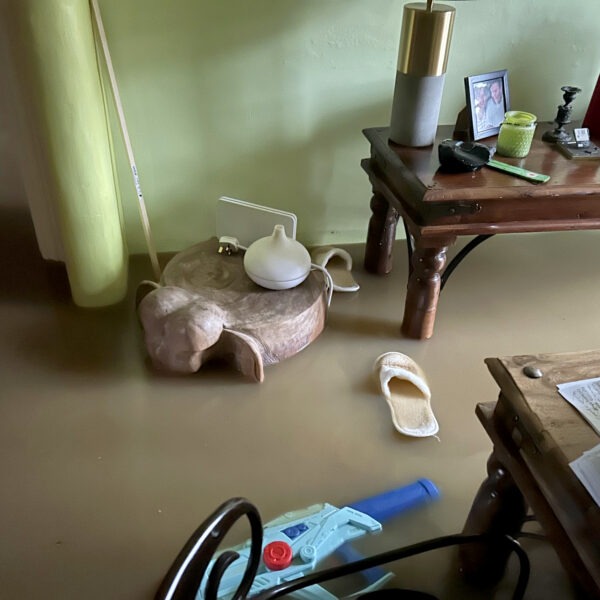
Floods can happen from various sources, the river, sea or from intense rainfall causing surface runoff. They also don’t discriminate between buildings, but they do cause different issues depending on the buildings construction and its materials.
Listed buildings, make up a very small number of the overall building stock in England. Whereas traditional construction (which makes up the majority of listed buildings) accounts for roughly 30%. Traditional construction uses materials that are natural and able to manage moisture without intervention from ourselves, as long as maintained and repaired appropriately. Whereas modern construction was designed to exclude any and all moisture.
Permissions
Not every change to a listed building requires permission. Repairs, or like for like works don’t need consent. When you aren’t sure its best to check with your local authority.
Who Do I Contact About Making Changes? | Historic England
What Permission Might I Need to Make Changes to My Older Home? | Historic England
It’s also worth ensuring that you commission professionals experienced in traditional construction. How to Find the Right Professional Help | Historic England
Material dos
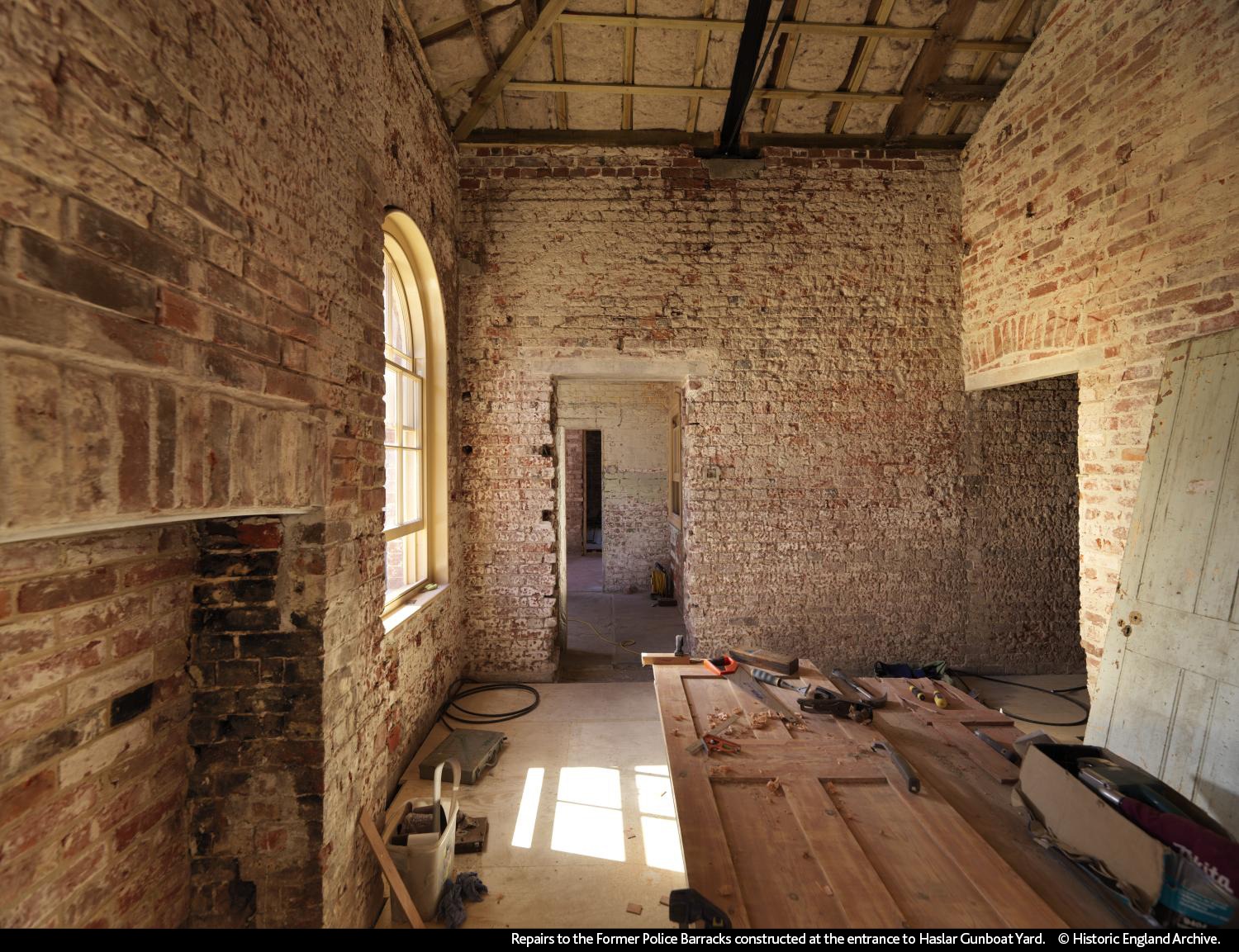
Keep solid wood, tiled floors and surfaces, and lime plaster/mortars. These all manage moisture naturally and can be easily cleaned after a flood. They also facilitate quicker drying times.
Lime plasters should only be decorated with a lime wash or distemper. Not modern paints or finishes that trap moisture.
Where gypsum plaster (modern water-impermeable plaster) needs to be removed after a flood event, replace it with lime plaster.
Opt for hardwood kitchens or stainless steel as they will not need to be removed. I Want to Update My Kitchen | Historic England
Keep historic solid wooden doors. Where they are well maintained and have a tight seal these can prevent water entering the building and will recover easily. Where not present flood barriers or doors might be the only option. But consent on the design and material choice will be required. Resistance Measures | Historic England
If you have timber floorboards, ensure some can be easily lifted (for example, use screws rather than nails to fix them in place). This will enable you to access the sub-floor space to pump water out and boost ventilation. This will help with drying out when the flood water subsides.
Do reinstate mortar and renders with a lime mix that is appropriate and compatible with the surrounding materials. An experienced professional will be able to support with the correct specification.
Using the Right Materials to Repair Your Older Home | Historic England
Repairing Walls of an Older Home | Historic England
Material don’ts
Do not apply coatings, tanking and other ‘waterproofing’ products to any building of traditional construction. Coatings, tankings or other waterproofing products trap moisture within the structure, slow drying times, increase the risk of long-term damage, and encourage mould, damp and rot.
Avoid composite wood materials like mdf, chipboard and fibreboard for fixtures such as kitchen units as these will be ruined with quite low levels of flooding.
Don’t introduce impermeable materials such as cement mortar or renders. These will trap moisture in the material and increase the speed in which water enters the inside of the building.
Using the Right Materials to Repair Your Older Home | Historic England
Repairing Walls of an Older Home | Historic England
Reduce your flood risk
Remove or reduce areas of hard landscaping around your home. This will allow the ground to absorb water and reduce run-off.
Lime rendering the external walls of the building can also help in reducing water seeping through the walls. However, if the building wasn’t originally rendered consent will be required.
Install a sump pump in cellar areas or sub-floors that are particularly vulnerable to flooding to help pump the water out.
Add non-return valves to drains connected to sewers where silting will not occur.
In some cases more extreme adaptations will be required, from lifting floors, to lifting buildings. These works will definitely require consent and experienced professionals, but have the potentially to remove the flood risk entirely to the building. Adaptation Measures | Historic England
Copyright: Mary Long-Dhonau, June 2026